
What is Included in a Home Inspection? A Comprehensive Home Inspection Checklist
- brentbender
- Dec 22, 2025
- 4 min read
When buying a house, understanding what a home inspection covers is crucial. This process helps uncover potential issues and ensures you make an informed decision. A thorough inspection can save you from costly repairs and unexpected surprises after moving in. This article breaks down the essential components of a home inspection checklist, explaining what inspectors look for and why each part matters.
Understanding the Home Inspection Checklist
A home inspection checklist is a detailed guide that inspectors use to evaluate the condition of a property. It covers various systems and components of the house, from the foundation to the roof. Knowing what is included helps buyers prepare questions and understand the inspection report better.
Structural Elements
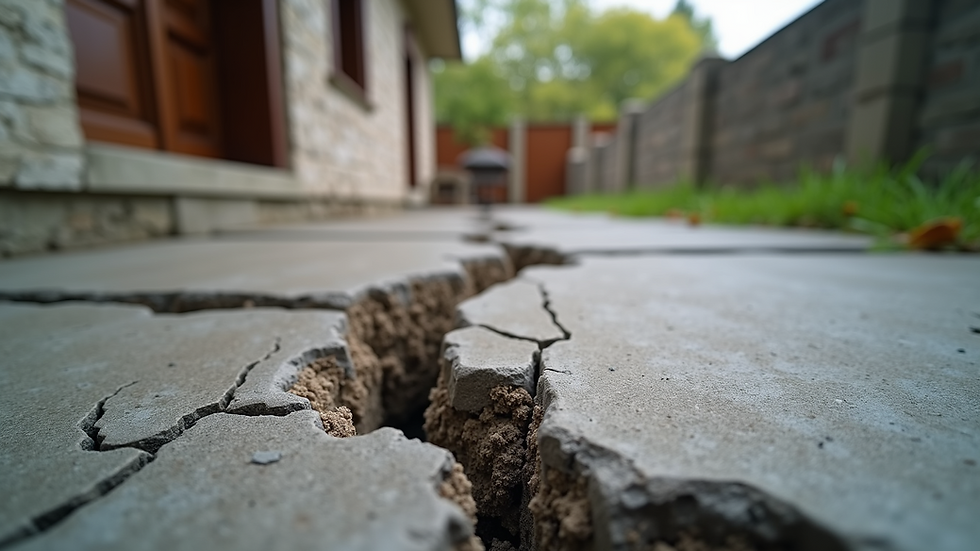
The foundation and structure of a home are the backbone of its safety and longevity. Inspectors check for cracks, settling, or water damage that could indicate serious problems.
Foundation: Look for visible cracks, unevenness, or signs of moisture intrusion.
Walls and Ceilings: Inspect for cracks, water stains, or bulging areas.
Floors: Check for uneven surfaces or sagging.
Basement and Crawl Spaces: Assess for dampness, mold, or pest infestations.
A solid structure means fewer worries about costly repairs down the line.
Roofing and Exterior
The roof protects the entire home from weather damage. Inspectors examine the roof’s condition, looking for missing shingles, leaks, or signs of wear.
Roof Covering: Check for damaged or missing shingles, tiles, or metal panels.
Gutters and Downspouts: Ensure they are securely attached and free of debris.
Siding and Exterior Walls: Look for cracks, rot, or insect damage.
Windows and Doors: Test for proper sealing, operation, and signs of water damage.
Proper maintenance of the exterior prevents water intrusion and energy loss.
Essential Systems Included in the Home Inspection Checklist
A home’s systems are vital for comfort and safety. Inspectors evaluate the electrical, plumbing, heating, and cooling systems to ensure they function correctly and meet safety standards.
Electrical System
Electrical issues can be dangerous and costly. The inspection covers:
Service Panel: Check for proper labeling, grounding, and signs of overheating.
Wiring: Look for outdated or damaged wiring, such as knob-and-tube or aluminum wiring.
Outlets and Switches: Test for proper operation and grounding.
Smoke Detectors: Verify presence and functionality.
Upgrading electrical systems may be necessary in older homes to meet current codes.
Plumbing System
Water supply and drainage are critical for daily living. Inspectors assess:
Water Heater: Check age, condition, and signs of leaks or corrosion.
Pipes and Fixtures: Look for leaks, corrosion, or low water pressure.
Drainage: Ensure proper flow and absence of blockages.
Sewage System: Inspect septic tanks or sewer connections if applicable.
Identifying plumbing issues early can prevent water damage and costly repairs.

Heating, Ventilation, and Air Conditioning (HVAC)
Comfort depends on a well-functioning HVAC system. The inspection includes:
Furnace and Air Conditioner: Check age, operation, and maintenance history.
Ductwork: Look for leaks, blockages, or poor insulation.
Thermostats: Test for accuracy and responsiveness.
Ventilation: Ensure proper airflow and absence of mold or dust buildup.
Regular maintenance of HVAC systems improves efficiency and indoor air quality.
Additional Areas Covered in the Home Inspection Checklist
Beyond the main systems, inspectors also evaluate other important areas that affect safety and livability.
Interior Components
Inside the home, inspectors look at:
Doors and Windows: Check for proper operation, locks, and weather stripping.
Floors, Walls, and Ceilings: Look for damage, stains, or signs of pests.
Stairs and Railings: Ensure stability and safety compliance.
Fireplaces and Chimneys: Inspect for cracks, blockages, or creosote buildup.
These details contribute to the overall comfort and safety of the home.
Insulation and Ventilation
Proper insulation and ventilation help maintain energy efficiency and prevent moisture problems.
Attic Insulation: Check thickness and coverage.
Ventilation Systems: Ensure vents are clear and functioning.
Moisture Barriers: Look for signs of water intrusion or mold.
Improving insulation and ventilation can reduce energy bills and improve indoor comfort.
What to Expect After the Home Inspection
Once the inspection is complete, you will receive a detailed report outlining findings and recommendations. This report helps you:
Understand the current condition of the home.
Identify urgent repairs or safety concerns.
Negotiate repairs or price adjustments with the seller.
Plan future maintenance and upgrades.
It is important to review the report carefully and ask the inspector any questions you may have.
Preparing for Your Home Inspection
To get the most out of your inspection, consider these tips:
Attend the Inspection: Being present allows you to see issues firsthand and ask questions.
Review the Checklist: Familiarize yourself with what will be inspected.
Take Notes and Photos: Document concerns for future reference.
Follow Up: Consult specialists if the inspector recommends further evaluation.
A well-prepared buyer can make confident decisions and avoid surprises.
A thorough home inspection is an essential step in the home buying process. Understanding what is included in the inspection checklist empowers you to protect your investment and enjoy your new home with peace of mind.


Comments