
Residential Home Inspections Explained: What You Need to Know
Buying or selling a home is a big deal. It’s exciting, but it can also feel overwhelming. One of the most important steps in this process is the residential home inspection. This inspection helps you understand the true condition of a home before you make any decisions. I want to walk you through what these home inspections are all about, why they matter, and what you can expect.
When you’re about to invest in a home, you want to be sure you’re making a smart choice. A thorough home inspection can save you from costly surprises down the road. It’s like getting a health check-up for the house. Let’s dive in and explore everything you need to know.
Why Residential Home Inspections Matter
A home is more than just walls and a roof. It’s a complex system made up of many parts working together. When you get a residential home inspection, you’re hiring a professional to take a close look at these parts. They check for problems that might not be obvious to the untrained eye.
Think about it this way: you wouldn’t buy a car without checking under the hood, right? The same goes for a home. Inspections help you:
Identify safety issues like faulty wiring or mold
Spot hidden damage such as leaks or foundation cracks
Understand maintenance needs and future costs
Negotiate repairs or price adjustments with the seller
Gain peace of mind knowing the home is sound
This process is especially important in Southern California, where weather and seismic activity can affect a home’s condition. A detailed home inspection helps you make informed decisions and avoid unexpected headaches.

What Residential Home Inspections Cover
When you schedule a residential home inspection, the home inspector will examine many key areas of the home. Here’s a quick overview of what they typically look at:
Roof and gutters: Checking for damage, leaks, and proper drainage
Foundation and structure: Looking for cracks, settling, or other issues
Plumbing system: Inspecting pipes, water heaters, and fixtures for leaks or corrosion
Electrical system: Testing outlets, breakers, and wiring safety
Heating and cooling: Evaluating HVAC units and ventilation
Interior rooms: Checking walls, ceilings, floors, windows, and doors for damage or wear
Appliances: Verifying operation of built-in appliances like ovens and dishwashers
Attic and basement: Assessing insulation, moisture, and pest problems
The goal is to provide a clear picture of the home’s condition. The home inspector will then prepare a detailed report with photos and notes, highlighting any concerns and recommendations.
What does a typical home inspection consist of?
A typical home inspection usually takes a few hours, depending on the size and age of the property. Here’s what you can expect during the process:
Walkthrough with the home inspector: You’ll often be invited to join the home inspector as they examine the home. This is a great chance to ask questions and learn about any issues firsthand.
Visual examination: The home inspector looks at all accessible areas without tearing anything apart. They focus on visible signs of damage or wear.
Testing systems: They’ll test electrical outlets, plumbing fixtures, and HVAC systems to make sure they work properly.
Taking notes and photos: The home inspector documents everything carefully to include in the final report.
Reviewing the report: After the home inspection, you’ll receive a comprehensive report. It will explain the findings in simple terms and suggest any necessary repairs or further evaluations.
Remember, the home inspection is not a guarantee or warranty. It’s a professional opinion based on what can be seen at the time. But it’s an invaluable tool to help you understand the home better.
How to Prepare for a Residential Home Inspection
Preparing for a home inspection can make the process smoother and more effective. Here are some tips to get ready:
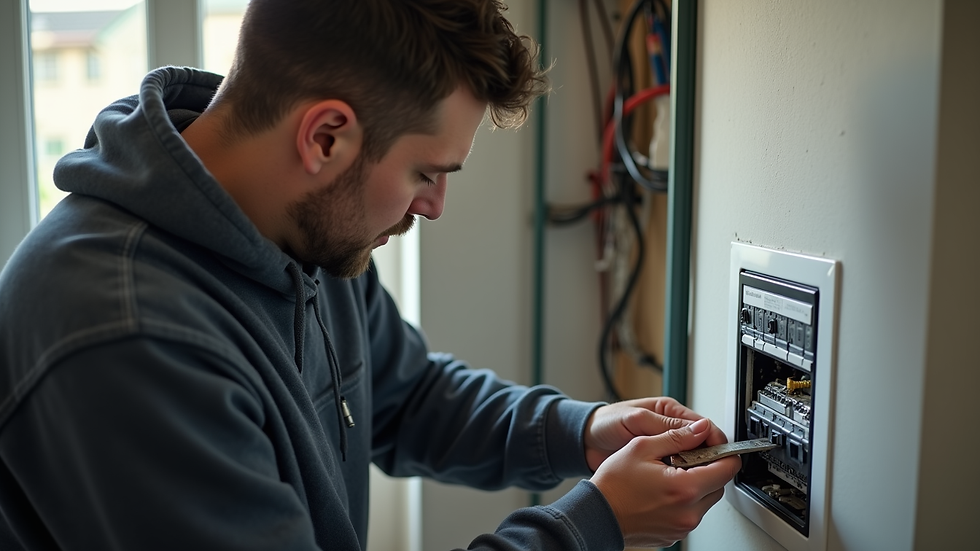
Clear access: Make sure the home inspector can easily reach the attic, basement, electrical panel, and major appliances.
Provide documentation: If you have maintenance records or warranties, have them ready to share.
List your questions: Think about any concerns you have about the home and bring them up during the inspection.
Be present if possible: Attending the home inspection helps you understand the findings and ask for clarification.
Don’t rush: Give the home inspector enough time to do a thorough job without pressure.
If you’re selling a home, consider getting a pre-listing home inspection. This can help you identify and fix issues before buyers come knocking, making your property more attractive and reducing surprises during negotiations.
What to Do After the Home Inspection
Once you have the home inspection report, it’s time to take action. Here’s how to make the most of it:
Review the report carefully: Look at the photos and notes. Pay attention to any safety concerns or major repairs.
Ask questions: If anything is unclear, don’t hesitate to reach out to the home inspector for explanations.
Get repair estimates: For significant issues, get quotes from licensed contractors to understand costs.
Negotiate with the seller: Use the home inspection findings to discuss repairs or price adjustments.
Plan for maintenance: Even if the home is in good shape, the report can guide your future upkeep.
Remember, no home is perfect. The goal is to know what you’re dealing with so you can make smart choices and avoid surprises.
Why Choose a Trusted Home Inspection Service
Choosing the right home inspection service is key. You want someone experienced, thorough, and easy to communicate with. A trusted home inspector will not only find problems but also explain them clearly and offer practical advice.
In Southern California, where homes face unique challenges like earthquakes and coastal weather, having a knowledgeable home inspector is even more important. They understand local building codes and common issues, helping you protect your investment.
At Bender’s Inspections, the focus is on providing detailed assessments and educating clients. This approach helps you feel confident and informed every step of the way.
Taking the Next Step with Confidence
A residential home inspection is your best tool for making smart property decisions. It’s about more than just finding problems - it’s about understanding the home’s story and planning for the future.
Whether you’re buying, selling, or maintaining a home, a home inspection gives you peace of mind. It’s a step that protects your investment and helps you avoid costly surprises.
If you’re ready to take the next step, reach out to a trusted home inspection service. Ask questions, learn as much as you can, and make your home journey a positive experience.
Your home is one of the biggest investments you’ll ever make. Treat it with care, and it will serve you well for years to come.


Comments